.jpg)
Tire Rotation vs. Replacement: What You Should Know
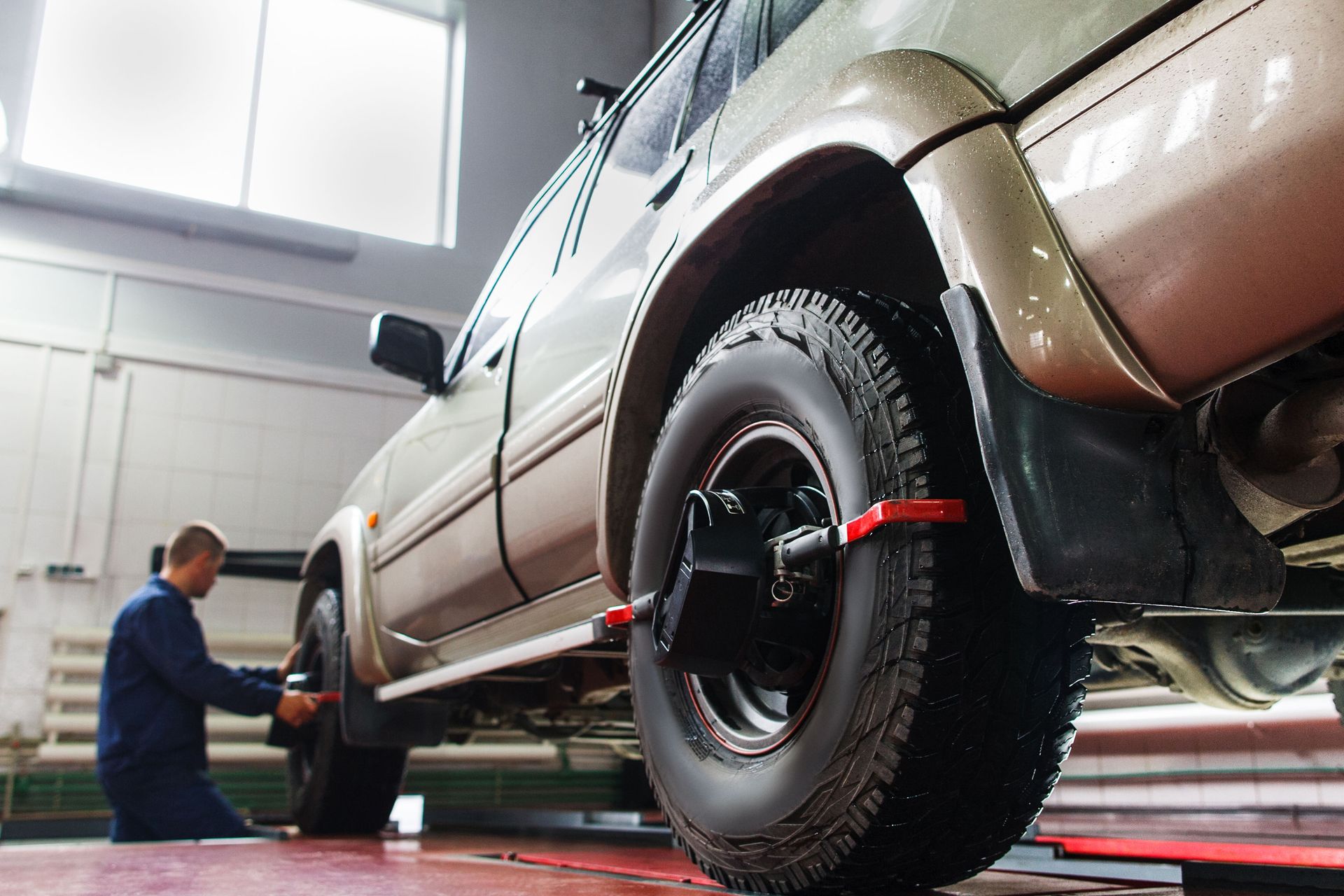
Keeping your tires in good shape is more than just a safety measure—it’s about saving money and extending the life of your vehicle. One question many drivers ask is whether it’s time for a tire rotation or a full replacement. The truth is, both play vital roles, but they serve different purposes. According to Forbes, tire rotations should occur every 6,000 miles to ensure even wear and maintain optimal performance.
Tire rotation might sound simple, but it can make a big difference in how your tires wear over time. When tires wear unevenly, it can lead to reduced traction, decreased fuel efficiency, and even more frequent replacements. Regular rotations help distribute the wear evenly, keeping your tires lasting longer. While rotating your tires, a technician will often check wheel alignment as well, ensuring your vehicle drives smoothly and safely. Think of it as a little tune-up for your tires that keeps your car balanced and predictable on the road.
Sometimes, rotation isn’t enough, and it’s time to replace your tires. Signs like bald spots, cracks, or persistent vibrations indicate that the tires are worn beyond safe limits. Ignoring these signs can lead to decreased handling and potentially dangerous situations. During this process, checking your wheel alignment becomes even more crucial. Misaligned wheels can cause new tires to wear unevenly right from the start, cutting down their lifespan and efficiency.
The best strategy for long-lasting tires is to combine regular rotations with timely wheel alignments. A proper wheel alignment ensures that all four tires make optimal contact with the road, reducing uneven wear and improving handling. Pairing this with rotations every 6,000 miles helps your vehicle run smoother and can save you money in the long run. Think of it as giving your car the attention it deserves so that every drive is safer and more comfortable.
In the end, understanding the difference between tire rotation and replacement—and knowing when each is necessary—can save you money, improve your safety, and extend the life of your vehicle. Regular tire rotations, combined with proper wheel alignment, ensure that your tires wear evenly, your car handles smoothly, and you avoid unexpected issues down the road. Paying attention to your tires now means fewer headaches later, whether it’s preventing uneven wear, maintaining fuel efficiency, or simply feeling confident behind the wheel. Taking these small steps shows that a little preventive care goes a long way in keeping your vehicle running safely and efficiently. For trusted tire services, including rotations, replacements, and expert wheel alignment, rely on the professionals at Al’s Tire & Auto Repair.